
Tracing Former Henry County Owners
Tracing former owners in Henry County property records works best in reverse. Each recorded transfer names a grantee. That grantee becomes the next name you search as a grantor. Repeat the loop. The Circuit Court Clerk keeps the county's land transactions. The office reports legal documents reaching back to the 1700s. Virginia's remote SRA index can surface entries, though the oldest year available online is limited. Remember that the online trail is not the whole story. Older deed books, microfilm, plats, and estate records may still hold the earliest owners of a parcel.
| Source | Years It Covers | Where Held | What It Shows |
|---|---|---|---|
| Virginia SRA index | Online start year not published | Remote land-record search | Recorded party entries; images need clerk authorization |
| Henry deed books | Office reports books dating to the 1700s; exact runs not located | Circuit Court Clerk | Older transfers, wills, and court papers |
| Microfilm and county guides | Henry-specific year runs need confirmation | Library of Virginia and local office | Historic indexes and filmed local records |
| Directories and local files | Chronological editions; first and last years not located | Bassett Historical Center and Historical Society | Address and household clues, not proof of title |
Begin with the newest deed on the current parcel. Read the grantor and grantee names, then step back one transfer at a time. The chain may pass beyond the online index. Ask the Clerk for the right book and year. Bassett Historical Center directories can link an old street address to a surname. They can also link that address to an employer. Remember, a directory shows occupancy clues, not ownership.
Walking Back Through Henry County Deeds
Every chain of title comes back together one transfer at a time. Start with the current owner of record's deed. Read the grantor named there. Then hunt for that earlier party as a grantee to find how they received the land. Each entry should carry its recording date. It should also carry an instrument or book and page reference, parcel number, and legal description. In Henry County, modern land filings require the nine-digit parcel ID. That rule covers instruments recorded from July 1, 2018. Older deeds may instead cite a tax-map number. Some rely on a written legal description alone.
- Start from the newest deed and record the current grantee, grantor, date, and land description.
- Search the grantor's name as a grantee to find the prior transfer into that person's ownership.
- Match each older deed by legal description, parcel reference, or lot and block, not by name alone.
- Repeat until the index stops, then request the older volume or microfilm from the Clerk or Library of Virginia.
- Grantor
- The party who conveyed an interest in the deed.
- Grantee
- The party who received the interest.
- Chain of title
- The sequence of recorded transfers that connects past owners to the current record.
- Legal description
- Land-specific text that can stay useful when street names or parcel numbers change.
How Far Henry County Ownership Records Reach
Henry County's Clerk reports land and legal records dating to the 1700s. But the county publishes no online cutoff year for its SRA index. No courthouse fire or lost-book event marks the record set. So the earliest deed books likely survive. When the web search runs dry, turn to the clerk's own index and deed books. Then turn to Library of Virginia microfilm guidance. Treat an online hit as a milestone, not a finish line. Older books may hold owners no search result will ever show.
Record-depth limit. Henry County's remote index start is not published. Ask the Circuit Clerk or Library of Virginia about older books and microfilm; do not use house-history research to track or harass a living person.
Henry County's SRA Index and Older Books
Virginia SRA is the online route into the deed index. Henry County's official pages publish no oldest online year. Some courts allow free index-only access. To view land-record images, the individual clerk must authorize a subscription and a signed agreement. The clerk must also authorize any applicable payment. When a chain reaches back past online coverage, ask the Clerk which grantor or grantee index volume covers the year in question. Ask as well how to inspect it at the counter.
While working the index, write down every party role and recording reference. A prior owner may appear under a different spelling, a married name, or an entity form. The owner may also appear under an estate name. Search both the grantor and grantee sides wherever the interface permits. If a search option seems missing, call the Clerk for the current field list. The Clerk can also confirm current document types.
Virginia's SRA land-record entry provides remote index access. The portal is the official starting point for a search of recorded Henry County transfers.
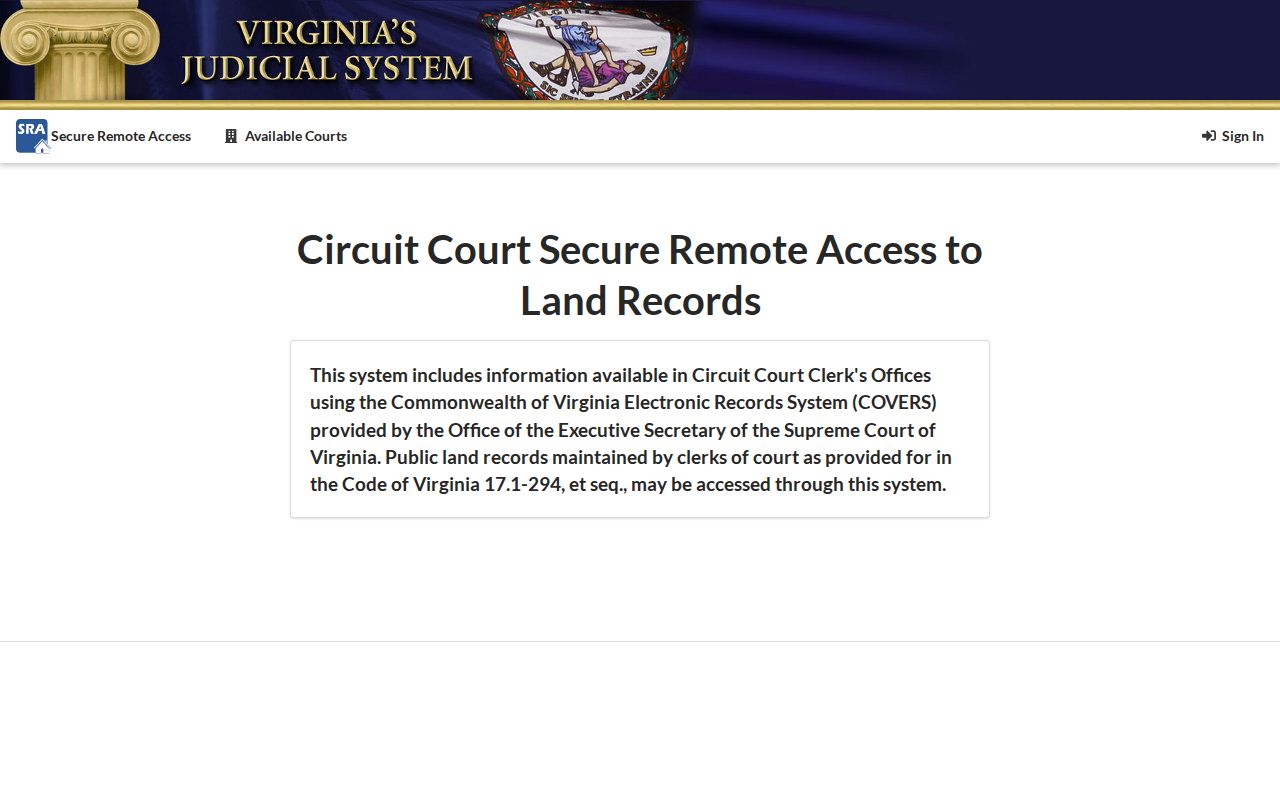
The index is a locator. The deed image and older books supply the text that follows each transfer from owner to owner.
Henry County's Record Boundaries Changed
Henry County became independent in 1777, and the county seat moved to Martinsville in 1791. Patrick County was created from Henry that same year, setting the modern boundary. Martinsville incorporated in 1873 and became an independent city in 1929. These dates matter whenever a very old tract or family history crosses a modern jurisdiction line, because the right deed book depends on where the land sat when the record was made.
The Library of Virginia advises that records stay with the locality that created them, even after a later formation or annexation. Before searching a modern county index for an early transfer, confirm the parcel was then in Henry County. A neighboring jurisdiction may hold the older deed. No county courthouse fire or lost-book incident appears in official accounts, so treat any gap as a question of volume and boundary, not folklore.
The Library of Virginia's local-record guide describes county formation and microfilm access.
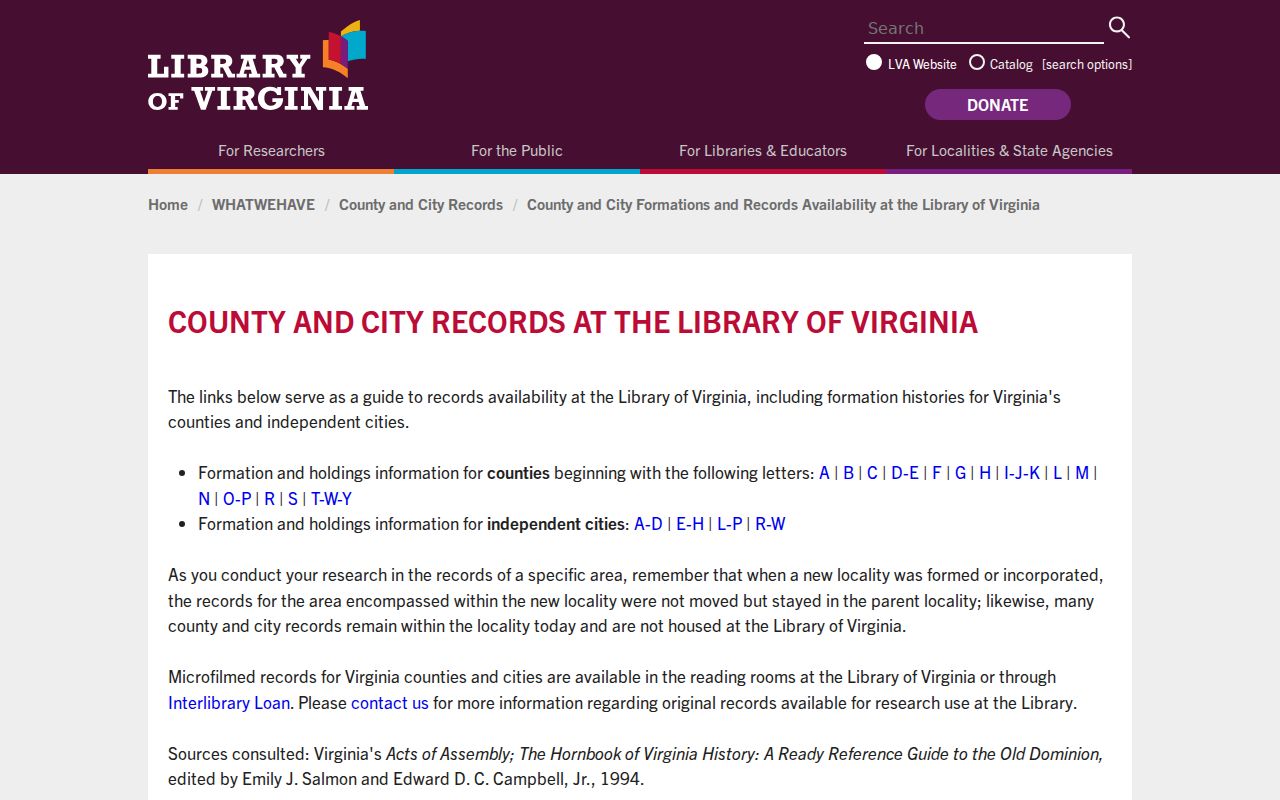
Use the creation date and parcel jurisdiction to decide which locality's books to search.
Probate Can Break a Clean Deed Chain
Death often moves land through a will, probate file, court order, executor deed, or deed from heirs. The Circuit Clerk keeps those papers along with historic wills. Timing matters. A person can stay on the assessment roll during a pending estate transfer. The name also stays there until the recorded document reaches the parcel record. Search the decedent's name at the Clerk. Then tie any probate paper to the land. Use its legal description, parcel ID, or deed reference.
A death certificate confirms the event but conveys nothing. Virginia opens death records after 25 years. Before that window, certified copies require an eligible relationship and identification. VDH lists a $15 search and certificate fee in its current FAQ. There is no refund when no record turns up. Confirm the local copy route with VDH or a health district.
The Virginia Vital Records' FAQ explains record years and access rules. It lays out the opening periods that matter for family-history research.
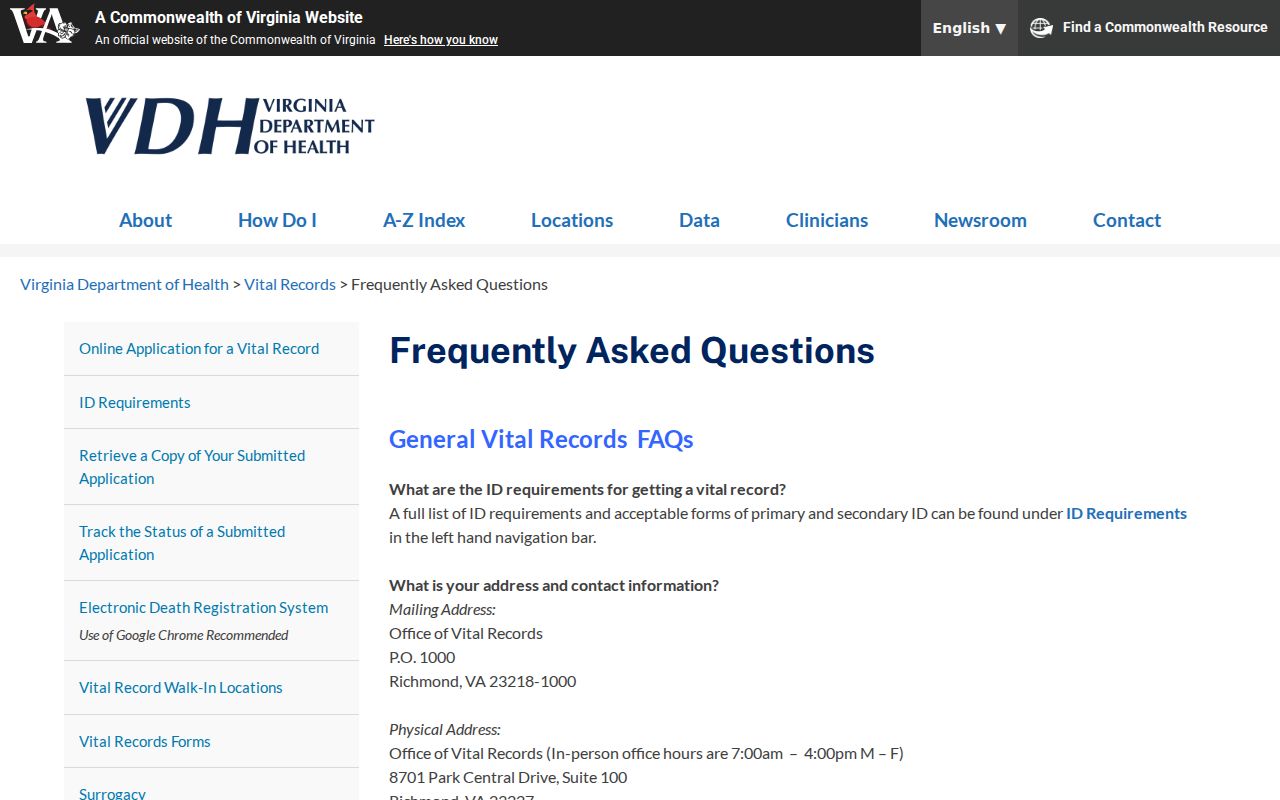
Probate records and deeds trace the land itself. Vital records only verify the family facts that search depends on.
Directories Add Henry County Address Clues
The Bassett Historical Center serves Henry, Patrick, and Martinsville. It collects family and local history for all three. The Henry County Historical Society guide describes city and county directories arranged by year, along with local files, newspapers, court records, phone books, and family collections. A directory can tie an old street address to a name, spouse, employer, owner-or-renter note, or widow note. The guide does not chart every Henry directory year or its abbreviation key.
Use successive editions to track an address or household. Streets get renamed. Numbers shift. Treat each entry as an occupancy clue rather than proof of title, and pair it with a deed, land book, plat, probate file, and census record. The Henry County deed-record route supplies the recorded land transfers that a directory cannot.
Old Plats Help Match Former Owners
A recorded plat can link an old deed's lot and block to the parcel shown today, and the Henry County Plat File Website posts map books and indexes from the Clerk's office. Rural tracts differ. Their deeds lean on metes, bounds, and landmarks. No subdivision lot appears. Read the deed and its referenced plat together. Then compare the land description with GIS. Current parcel outlines alone cannot rebuild a former owner's legal description.
One lot often becomes several accounts. Record that transition rather than treating each modern parcel as the same historical tract. The parcel ID requirement began July 1, 2018, though earlier instruments can carry tax-map numbers. Keep book, page, instrument number, and both parcel IDs in a chain table, and for today's holder the Henry County owner-of-record check follows a separate route.